
Mood-altering medications, such as antidepressants or anti-anxiety medications, can be used to treat a variety of mental health conditions and can be effective in managing symptoms. However, it is important to work closely with a healthcare provider to determine the best treatment plan for your individual needs.
If you have a history of alcohol abuse, it is important to discuss this with your healthcare provider before starting any new medications. Some medications can interact with alcohol and increase the risk of negative side effects or complications. Additionally, some individuals with a history of alcohol abuse may have an increased risk of developing addiction or dependence on certain medications.
That being said, it is possible to use mood-altering medications without returning to drinking alcohol. With appropriate medical supervision and support, many individuals with a history of alcohol abuse are able to safely and effectively use these medications to manage their mental health symptoms. It is important to be honest with your healthcare provider about your history of alcohol abuse so that they can make appropriate treatment recommendations and monitor your progress closely.
Why should I get my driving privileges back?
Restoring your driving privileges after losing them due to a drunk driving offense can have several benefits.
First and foremost, having a driver's license allows you to be more independent and mobile. You can travel to work, school, or other important appointments without having to rely on public transportation or the help of others. This can improve your quality of life and make it easier to fulfill your daily responsibilities.
Additionally, restoring your driving privileges can help you regain a sense of control over your life. Losing your license due to a DUI can be a difficult and humbling experience, and taking steps to regain your driving privileges can help you feel like you are taking proactive steps to overcome the challenges you have faced.
Finally, restoring your driving privileges can be an important step towards rebuilding your reputation and demonstrating that you are committed to making positive changes in your life. It can show others, including potential employers or landlords, that you are taking responsibility for your past mistakes and are working towards becoming a responsible member of society.
It's important to note that the process of restoring your driving privileges can vary depending on the state you are in and the specifics of your case. It's a good idea to consult with a lawyer or other legal professional who can help you navigate the process and ensure that you meet all of the necessary requirements.
What Is Recovery
Recovery is a term that is used in various contexts, including physical health, mental health, addiction, and even economics. However, the general idea of recovery remains the same regardless of the context. Recovery refers to the process of regaining or restoring something that has been lost or damaged. In the case of physical health, recovery involves healing from an injury or illness. In mental health, recovery involves a process of growth and change that leads to a better quality of life.
In addiction, recovery refers to a process of overcoming substance abuse or any other addictive behavior that has negatively impacted an individual's life. Recovery is a lifelong journey that involves various stages, from acknowledging the problem to making changes and maintaining sobriety. It is a process that requires patience, commitment, and support from loved ones and professionals.
One of the most important aspects of recovery is self-care. This involves taking care of oneself physically, emotionally, and mentally. This can include eating healthy, exercising regularly, getting enough sleep, and engaging in activities that bring joy and fulfillment. In mental health, self-care can also involve therapy, mindfulness practices, and other forms of self-reflection.
Another crucial aspect of recovery is community support. This can come in the form of 12-step programs, support groups, or therapy groups. Being in a supportive community can provide the accountability, encouragement, and guidance necessary to maintain long-term recovery.
It is worth noting that recovery is not a one-size-fits-all process. What works for one person may not work for another. It is important to find an approach to recovery that feels right for you and to seek support from professionals and loved ones along the way.
In conclusion, recovery is a process of regaining or restoring something that has been lost or damaged. It requires patience, commitment, and support from loved ones and professionals. Self-care and community support are crucial aspects of the recovery process, and it is important to find an approach that works for you. Recovery is a lifelong journey, but it is also a journey that can lead to a better quality of life and a brighter future.
Overcoming Challenges
Life is full of challenges (including restoring your driving privileges), both big and small. Whether it's a personal struggle, a professional setback, or a global crisis, we all face obstacles that can feel overwhelming at times. While it may seem impossible to overcome these challenges, it is important to remember that with the right mindset and approach, we can overcome even the most difficult obstacles.
Here are some tips for overcoming challenges:
1. Face the challenge head-on: It can be tempting to avoid or ignore a difficult situation, but this will only make things worse in the long run. Instead, face the challenge head-on and take proactive steps to address it.
2. Break the challenge down into manageable steps: When faced with a daunting task, it can be helpful to break it down into smaller, more manageable steps. This can make the challenge feel less overwhelming and help you stay focused on making progress.
3. Seek support from others: You don't have to face challenges alone. Seek support from friends, family, or professionals who can provide guidance, encouragement, and a fresh perspective.
4. Stay positive and optimistic: It can be easy to become negative or pessimistic when facing a challenge, but this will only make things harder. Instead, stay positive and optimistic, focusing on the opportunities for growth and learning that come with overcoming challenges.
5. Learn from the experience: Challenges can be valuable learning opportunities. Take the time to reflect on what you have learned from the experience and how you can use this knowledge to grow and develop in the future.
6. Practice self-care: Overcoming challenges can be physically and emotionally draining, so it is important to take care of yourself along the way. This can include getting enough sleep, eating well, and engaging in activities that bring you joy and relaxation.
In conclusion, overcoming challenges is an essential part of personal and professional growth. By facing challenges head-on, breaking them down into manageable steps, seeking support from others, staying positive and optimistic, learning from the experience, and practicing self-care, we can overcome even the most difficult obstacles and emerge stronger on the other side. Remember, challenges are an opportunity for growth and learning, so embrace them with an open mind and a willingness to succeed.
Your Substance Abuse Assessment for Secretary Of State Hearing

What should be included in my DUI letters for my hearing?

I'm sober . . . now what?

Should I tell my attorney or the Secretary of State when I last used or drank alcohol?
Necessary DUI reference letters for your hearing

Preparing for my hearing with the Secretary of State to restore my driver's license

Are AA meetings the answer?
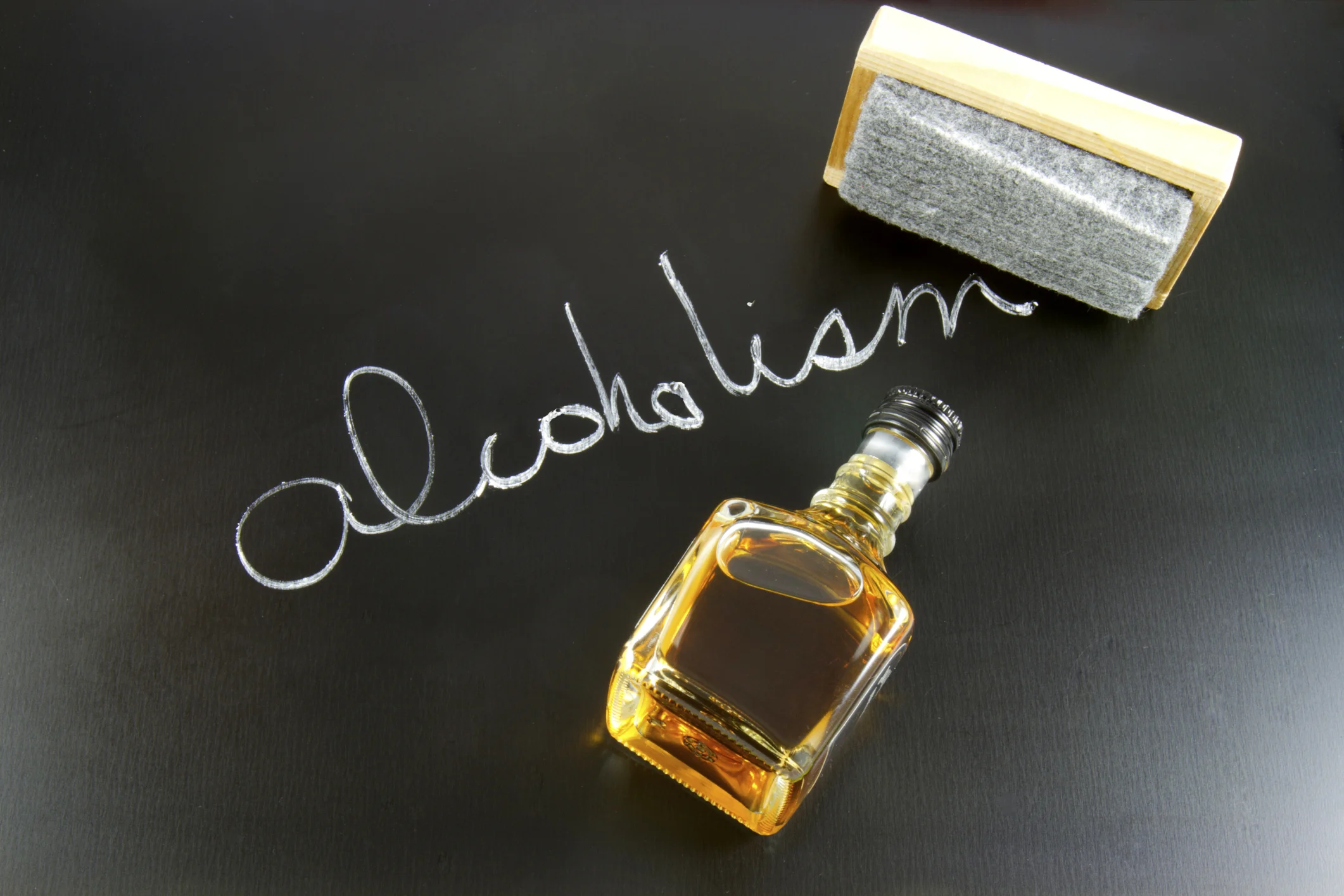
Oftentimes, yes. AA provides guidelines for sober living through its 12-step program and a fellowship of men and women who share their experience, strength and hope to solve a common problem. While AA is not a cure, the program of Alcoholics Anonymous has been very successful aiding its members to recovery.
Further, AA is a program of honesty, a fundamental principle necessary for sober living. Chapter 5 of the Big Book of Alcoholics Anonymous states that:
“Rarely have we seen a person fail who has thoroughly followed our path. Those who do not recover are people who cannot or will not completely give themselves to this simple program, usually men and women who are constitutionally incapable of being honest with themselves. They are not at fault; they seem to have been born that way. They are naturally incapable of grasping and developing a manner of living which demands rigorous honesty. Their chances are less than average.”
That being said, AA meetings are not just about growing your recovery network and sharing your story, but about choosing an environment where you can continue to be honest about your recovery, and that you do in fact, have an addiction problem. It also nurtures humility, another fundamental principle of sober living and meaningful relationships.
Have an amazing day and thanks for visiting our site!
-Kiernan Gamel
Congratulations, Kiernan!

Kiernan Gamel, LMSW, CCS, CAADC
On January 12th, Kiernan will be celebrating 38 years of sobriety!
To help commemorate his sobriety milestone, please send salutations, wishes, or memories of how Kiernan has impacted your life and/or sobriety journey by adding a comment at the end of this blog post.